



Today’s chosen theme: Using Nature to Enhance Mental Well-Being. Step into gentle green moments, science-backed practices, and heartfelt stories that turn everyday nature into a dependable mental health ally. Subscribe and share your own rituals so we can grow calmer, together.

Attention Restoration Theory suggests soft, fascinating stimuli like leaves and water give our directed attention a rest, easing mental fatigue. Pair that with lower cortisol and steadier heart rates, and everyday parks become quiet medicine.
Large population studies indicate that about 120 minutes in nature weekly correlates with better health and well-being. Try stacking ten-minute doses across your week, then tell us in the comments how your mood and focus respond.
After a crowded morning, I sat beside a city pond and noticed ripples pacing my breath. Ten minutes later, my shoulders dropped, thoughts slowed, and the day felt workable again. Share your small moments of renewal—they encourage everyone.
Step outside, look up, and trace three cloud shapes while naming distant sounds. This gentle outward focus interrupts rumination and invites presence. Set a calendar nudge, then reply with your favorite sky mood from this week.

Simple Daily Practices Outdoors

Choose the block with trees, even if it adds two minutes. Notice bark textures, tiny movements in leaves, and the rhythm of your footsteps. Micro-detours build consistency, and your nervous system learns safety through repetition.

Simple Daily Practices Outdoors

Windowsill Micro-Gardens

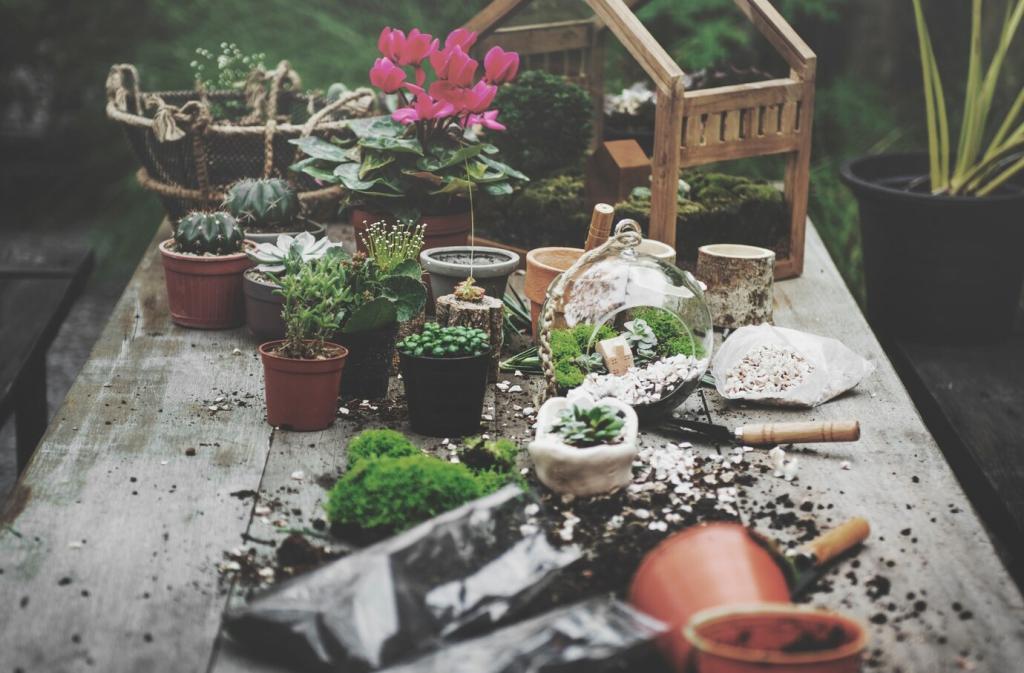
Plant hardy herbs like mint or rosemary. Tending, trimming, and tasting them adds tactile moments and small wins. Share a photo of your windowsill setup and the dish that tasted brighter because you snipped something fresh.

Sound, Scent, and Gentle Bioacoustics

Birdsong recordings, soft rain, and forest scents can cue the nervous system toward rest. Use a short playlist during breaks. Tell us which soundscape helps you exhale, and we will feature community favorites in a future post.

Mindful Techniques in Nature

Leaf-by-Leaf Attention Practice

Choose one leaf and explore edges, veins, and colors slowly. When thoughts wander, return to texture. This simple ritual strengthens gentle focus without strain, and it pairs beautifully with a quiet walk around your block.

Wind-Guided Box Breathing

Match four-count inhales, holds, and exhales with a breeze or wave. Synchronizing breath with moving nature anchors your body, steadies emotions, and keeps timing intuitive. Post how many cycles felt best for you today.

Gratitude Journaling Under a Tree

List three nature moments you appreciated today, however small. The practice rewires attention toward resourcefulness and care. Consider ending entries with one intention for tomorrow, then invite a friend to try it with you.

Community and Shared Green Moments

Pick one weekday, a fifteen-minute loop, and a predictable meeting spot. Consistency lowers decision fatigue and boosts turnout. Comment if you want accountability buddies, and we will help match readers in similar neighborhoods.

Community and Shared Green Moments

Join local groups to plant, mulch, or water. Purpose plus soil lifts mood and builds belonging. Share your next event date below so nearby readers can meet you there and turn intention into steady routine.

Seasonal Rituals that Stick

Winter Light and Warmth Walks

Short daylight walks support circadian rhythm and mood. Layer warmly, chase sun patches, and end with tea. Tell us your favorite winter route so others nearby can borrow it when motivation dips.

Spring Sensory Scavenger Hunt

List five signs of spring to notice—bud color, bird call, fresh soil, first dandelion, new light angles. Share what you found, and celebrate small awakenings with someone who needs a nudge outside.
Ghanablogzone
Privacy Overview

This website uses cookies so that we can provide you with the best user experience possible. Cookie information is stored in your browser and performs functions such as recognising you when you return to our website and helping our team to understand which sections of the website you find most interesting and useful.